Chapter 04 · 2112 – 2004 BCE
Ur III · Neo-Sumerian
A bureaucratic golden age, the Code of Ur-Nammu.
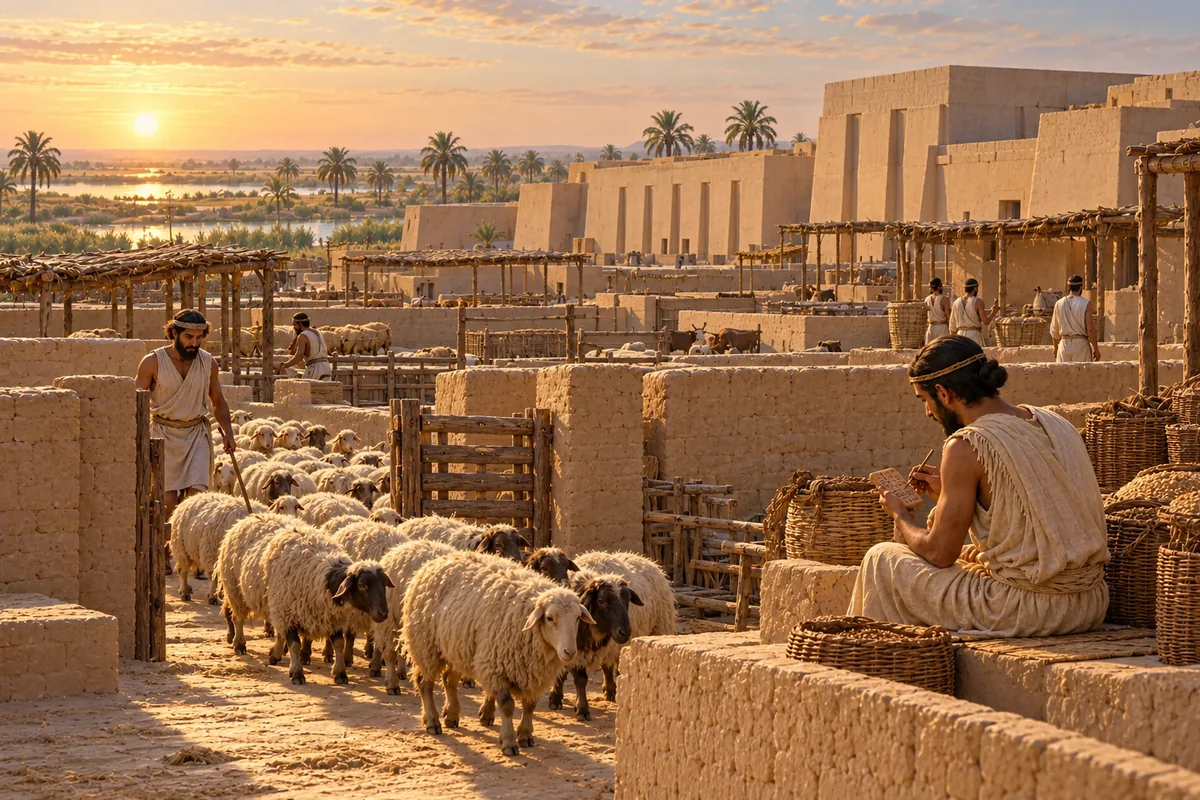
~2050 BCE · Reconstructed composite — see ORACC entry for manuscript witnesses
Amar-Suena 2050add / CDLI Seals 000429 (CDLI Seals 000429 (composite))
In plain English
Amar-Suena — powerful king, king of Ur, king of the four quarters — is named here, and a man called Ur-Bau, a scribe and son of Lugal-ušumgal, identifies himself as the king's servant.
AI-generated reading paraphrase; compare with the translation below.
“(i 1) Amar-Suena, the powerful king, king of Urim, king of the four quarters: Ur-Bau, the scribe, child of Lugal-ušumgal, is your servant.”
Source: Electronic Text Corpus of Sumerian Royal Inscriptions (ETCSRI), University of Vienna, edited by Gábor Zólyomi et al. https://oracc.museum.upenn.edu/etcsri/Q004152/
Read the full tablet entry~2050 BCE · Reconstructed composite — see ORACC entry for manuscript witnesses
Amar-Suena 2051add / CDLI Seals 005888 (CDLI Seals 005888 (composite))
In plain English
Amar-Suena, powerful king of Ur and king of the four quarters of the world — Ur-kugnuna, an envoy and son of Aradani the judge, declares himself your servant.
AI-generated reading paraphrase; compare with the translation below.
“(i 1) Amar-Suena, the powerful king, king of Urim, king of the four quarters: Ur-kugnuna, the envoy, child of Aradani, the judge, is your servant.”
Source: Electronic Text Corpus of Sumerian Royal Inscriptions (ETCSRI), University of Vienna, edited by Gábor Zólyomi et al. https://oracc.museum.upenn.edu/etcsri/Q004153/
Read the full tablet entry~2050 BCE · Reconstructed composite — see ORACC entry for manuscript witnesses
Amar-Suena 2052add / CDLI Seals 005891 (CDLI Seals 005891 (composite))
In plain English
Amar-Suena — powerful king, king of Ur, king of the four quarters of the world — is addressed directly: Ur-Lisi, governor of Umma, declares himself the king's servant.
AI-generated reading paraphrase; compare with the translation below.
“(i 1) Amar-Suena, the powerful king, king of Urim, king of the four quarters: Ur-Lisi, the governor of Umma, is your servant.”
Source: Electronic Text Corpus of Sumerian Royal Inscriptions (ETCSRI), University of Vienna, edited by Gábor Zólyomi et al. https://oracc.museum.upenn.edu/etcsri/Q004353/
Read the full tablet entry~2050 BCE · Reconstructed composite — see ORACC entry for manuscript witnesses
Amar-Suena 2054add / CDLI Seals 000491 (CDLI Seals 000491 (composite))
In plain English
Amar-Suena, powerful king of Ur — Ur-Nintur the scribe, son of Duga, declares himself your servant.
AI-generated reading paraphrase; compare with the translation below.
“(1) Amar-Suena, the powerful king, king of Urim: Ur-Nintur, the scribe, child of Duga, is your servant.”
Source: Electronic Text Corpus of Sumerian Royal Inscriptions (ETCSRI), University of Vienna, edited by Gábor Zólyomi et al. https://oracc.museum.upenn.edu/etcsri/Q004155/
Read the full tablet entry~2050 BCE · Reconstructed composite — see ORACC entry for manuscript witnesses
Amar-Suena 2055add / CDLI Seals 000418 (CDLI Seals 000418 (composite))
In plain English
Amar-Suena — powerful in some capacity the damaged surface no longer preserves — king of Ur and king of the four quarters of the world: the person named is declared his servant, though the name itself is lost.
AI-generated reading paraphrase; compare with the translation below.
“(i 1) Amar-Suena, the powerful ..., king of Urim, king of the four quarters: ..., is your servant.”
Source: Electronic Text Corpus of Sumerian Royal Inscriptions (ETCSRI), University of Vienna, edited by Gábor Zólyomi et al. https://oracc.museum.upenn.edu/etcsri/Q004156/
Read the full tablet entry~2050 BCE · Reconstructed composite — see ORACC entry for manuscript witnesses
Amar-Suena 2056add / CDLI Seals 004685 (CDLI Seals 005889 (composite))
In plain English
Amar-Suena — mighty king, king of Ur, king of the four quarters of the world — is the king named on this seal. The inscription identifies its owner as Ur-sagaĝu, royal scribe and son of Lugal-kagina, who declares himself the king's servant.
AI-generated reading paraphrase; compare with the translation below.
“(i 1) Amar-Suena, the powerful king, king of Urim, king of the four quarters: Ur-sagaĝu, the royal scribe, child of Lugal-kagina, is your servant.”
Source: Electronic Text Corpus of Sumerian Royal Inscriptions (ETCSRI), University of Vienna, edited by Gábor Zólyomi et al. https://oracc.museum.upenn.edu/etcsri/Q004157/
Read the full tablet entry~2050 BCE · Reconstructed composite — see ORACC entry for manuscript witnesses
Amar-Suena 2058add / CDLI Seals 001560 (CDLI Seals 001560 (composite))
In plain English
Amar-Suena — powerful king, king of Ur, king of the four quarters — is addressed directly: Ur-Šulpae, a scribe and son of Ur-Haya, declares himself the king's servant.
AI-generated reading paraphrase; compare with the translation below.
“(1) Amar-Suena, the powerful king, king of Urim, king of the four quarters: Ur-Šulpae, the scribe, child of Ur-Haya, is your servant.”
Source: Electronic Text Corpus of Sumerian Royal Inscriptions (ETCSRI), University of Vienna, edited by Gábor Zólyomi et al. https://oracc.museum.upenn.edu/etcsri/Q004159/
Read the full tablet entry~2050 BCE · Reconstructed composite — see ORACC entry for manuscript witnesses
Amar-Suena 2059add / CDLI Seals 000516 (CDLI Seals 000516 (composite))
In plain English
Amar-Suena — mighty king of Ur and ruler of the four quarters of the world — is named here as the master whom Ur-Šulpae the scribe serves. Ur-Šulpae identifies himself as the son of Ur-Haya and declares himself the king's servant.
AI-generated reading paraphrase; compare with the translation below.
“(1) Amar-Suena, the powerful man, king of Urim, king of the four quarters: Ur-Šulpae, the scribe, child of Ur-Haya, is your servant.”
Source: Electronic Text Corpus of Sumerian Royal Inscriptions (ETCSRI), University of Vienna, edited by Gábor Zólyomi et al. https://oracc.museum.upenn.edu/etcsri/Q004160/
Read the full tablet entry