Chapter 04 · 2112 – 2004 BCE
Ur III · Neo-Sumerian
A bureaucratic golden age, the Code of Ur-Nammu.
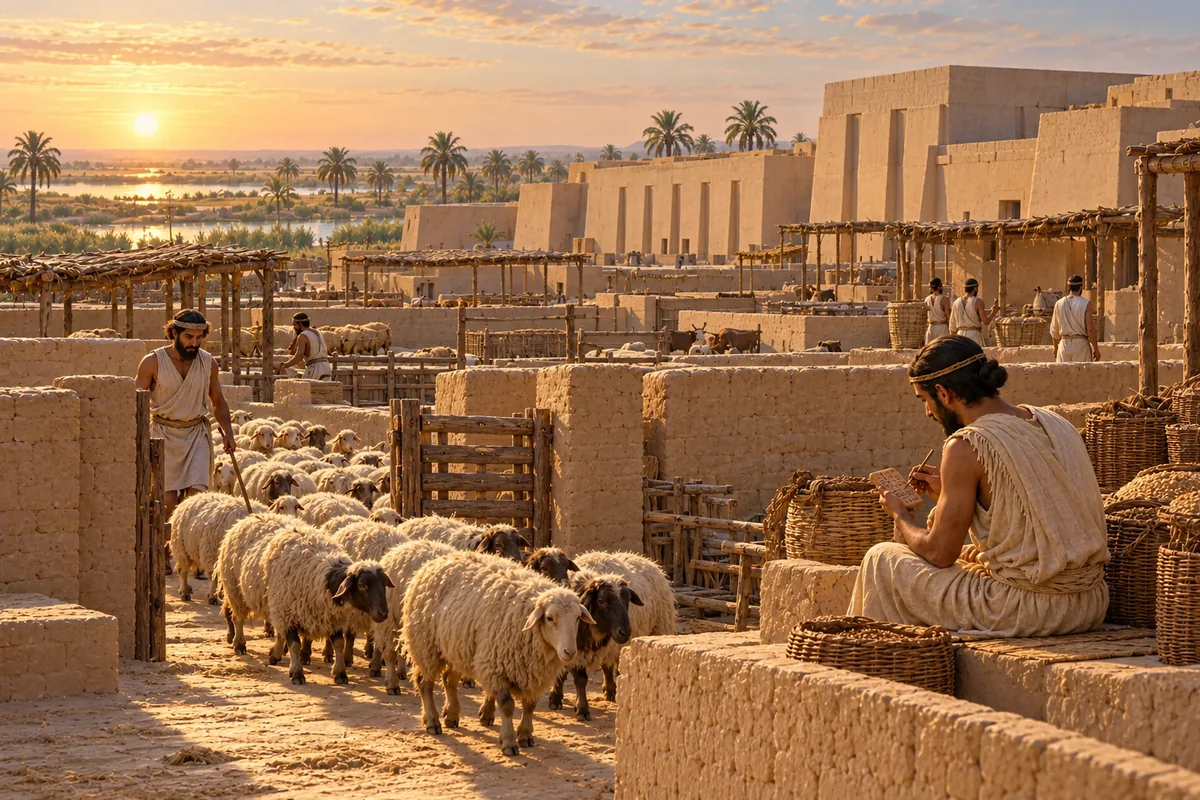
~2050 BCE · Reconstructed composite — see ORACC entry for manuscript witnesses
Šu-Suen 2016
“(1') ... for the well-being of Šu-Suen, išib priest of An, gudug priest with purified hands for Enlil, Ninlil, and the great godṣ the king whom Enlil šhose with the love of his heart as the shepherd of the Land, the powerful king, ....”
Source: Electronic Text Corpus of Sumerian Royal Inscriptions (ETCSRI), University of Vienna, edited by Gábor Zólyomi et al. https://oracc.museum.upenn.edu/etcsri/Q001845/
Read the full tablet entry~2050 BCE · Reconstructed composite — see ORACC entry for manuscript witnesses
Šu-Suen 2017
“(1) To Šara, his master, ... for well-being of Šu-Suen, the powerful king, king of Urim, king of the four quarters, ....”
Source: Electronic Text Corpus of Sumerian Royal Inscriptions (ETCSRI), University of Vienna, edited by Gábor Zólyomi et al. https://oracc.museum.upenn.edu/etcsri/Q001846/
Read the full tablet entry~2050 BCE · Reconstructed composite — see ORACC entry for manuscript witnesses
Šu-Suen 2018
Dedicates a bronze axe to the god Šara on behalf of Šu-Suen, attesting the votive inscription habit by which Ur III officials tied personal piety to royal legitimacy.
“(i 1) For Šara, the confidant of An, the beloved child of Inana, his master, ..., the royal soldier, child of Ur-Aba, fashioned this (bronze axe) for the well-being of Šu-Suen, the powerful king, king of Urim, king of the four quarters.”
Source: Electronic Text Corpus of Sumerian Royal Inscriptions (ETCSRI), University of Vienna, edited by Gábor Zólyomi et al. https://oracc.museum.upenn.edu/etcsri/Q001847/
Read the full tablet entry~2050 BCE · Reconstructed composite — see ORACC entry for manuscript witnesses
Šu-Suen 2019add / CDLI Seals 006005 (CDLI Seals 006005 (composite))
“(i 1) Šu-Suen, the powerful king, king of Urim, king of the four quarters: Aba-Enlilgin, child of Adaya, the merchant, is your servant.”
Source: Electronic Text Corpus of Sumerian Royal Inscriptions (ETCSRI), University of Vienna, edited by Gábor Zólyomi et al. https://oracc.museum.upenn.edu/etcsri/Q004355/
Read the full tablet entry~2050 BCE · Reconstructed composite — see ORACC entry for manuscript witnesses
Šu-Suen 2020add / CDLI Seals 000002 (CDLI Seals 000002 (composite))
“(1) Šu-Suen, the powerful king, king of Urim, king of the four quarters: Aba-Enlilgin, child of Lu-Inana, the animal-fattener, is your servant.”
Source: Electronic Text Corpus of Sumerian Royal Inscriptions (ETCSRI), University of Vienna, edited by Gábor Zólyomi et al. https://oracc.museum.upenn.edu/etcsri/Q004356/
Read the full tablet entry~2050 BCE · Reconstructed composite — see ORACC entry for manuscript witnesses
Šu-Suen 2021add / CDLI Seals 006010 (CDLI Seals 006010 (composite))
“(i 1) Šu-Suen, the powerful king, king of Urim, king of the four quarters: Abba, the lumah priest, child of ..., is your servant.”
Source: Electronic Text Corpus of Sumerian Royal Inscriptions (ETCSRI), University of Vienna, edited by Gábor Zólyomi et al. https://oracc.museum.upenn.edu/etcsri/Q004357/
Read the full tablet entry~2050 BCE · Reconstructed composite — see ORACC entry for manuscript witnesses
Šu-Suen 2022add / CDLI Seals 000536 (CDLI Seals 000536 (composite))
“(i 1) Šu-Suen, the powerful king, king of Urim, king of the four quarters, presented this (seal) to Abi-abih, the cup-bearer, his servant.”
Source: Electronic Text Corpus of Sumerian Royal Inscriptions (ETCSRI), University of Vienna, edited by Gábor Zólyomi et al. https://oracc.museum.upenn.edu/etcsri/Q004358/
Read the full tablet entry~2050 BCE · Reconstructed composite — see ORACC entry for manuscript witnesses
Šu-Suen 2023add / CDLI Seals 000005 (CDLI Seals 000005 (composite))
“(1) Šu-Suen, the powerful king, king of Urim, king of the four quarters: Abi-abih, the cup-bearer, is your servant.”
Source: Electronic Text Corpus of Sumerian Royal Inscriptions (ETCSRI), University of Vienna, edited by Gábor Zólyomi et al. https://oracc.museum.upenn.edu/etcsri/Q004359/
Read the full tablet entry