Chapter 04 · 2112 – 2004 BCE
Ur III · Neo-Sumerian
A bureaucratic golden age, the Code of Ur-Nammu.
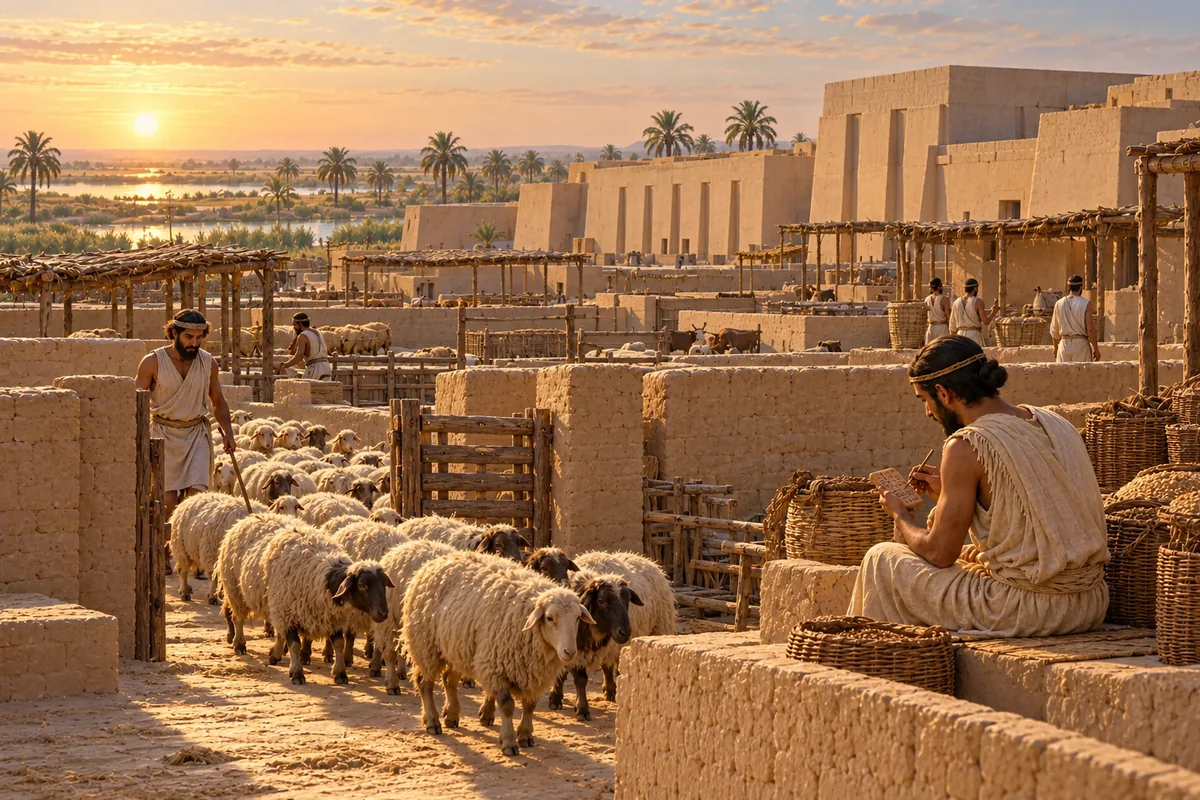
~2100 BCE · Reconstructed composite — see ORACC entry for manuscript witnesses
URU-KA-gina 26add (FAOS 05/1, Ukg 26)
Names Iri-kagina (Urukagina) as king of Lagaš and records a wall-guard appointment — administrative evidence from the reign of the ruler whose reforms are the earliest known attempt to codify social justice.
“(1) Guards of the city wall: Aba-naĝ, the captain of the soldiers. Iri-kagina, king of Lagaš.”
Source: Electronic Text Corpus of Sumerian Royal Inscriptions (ETCSRI), University of Vienna, edited by Gábor Zólyomi et al. https://oracc.museum.upenn.edu/etcsri/Q001142/
Read the full tablet entry~2100 BCE · Reconstructed composite — see ORACC entry for manuscript witnesses
URU-KA-gina 27add (FAOS 05/1, Ukg 27)
Names the wall-guard captain Urdu under Iri-kagina (Urukagina) of Lagaš: a rare administrative snapshot of military garrison command in the city credited with history's earliest recorded social reforms.
“(1) Guards of the city wall: Amar-Girid, the captain is Urdu. Iri-kagina, king of Lagaš.”
Source: Electronic Text Corpus of Sumerian Royal Inscriptions (ETCSRI), University of Vienna, edited by Gábor Zólyomi et al. https://oracc.museum.upenn.edu/etcsri/Q001143/
Read the full tablet entry~2100 BCE · Reconstructed composite — see ORACC entry for manuscript witnesses
URU-KA-gina 28add (FAOS 05/1, Ukg 28)
Names a wall-guard captain under Iri-kagina (Urukagina) of Lagaš, adding a rare administrative title to the prosopography of the ruler whose reforms are the earliest social-justice legislation known.
“(1) Guards of the city wall: Amar-ezen, the captain of the .... Iri-kagina, king of Lagaš.”
Source: Electronic Text Corpus of Sumerian Royal Inscriptions (ETCSRI), University of Vienna, edited by Gábor Zólyomi et al. https://oracc.museum.upenn.edu/etcsri/Q001144/
Read the full tablet entry~2100 BCE · Reconstructed composite — see ORACC entry for manuscript witnesses
URU-KA-gina 29add (FAOS 05/1, Ukg 29)
Names a city-wall guard captain under Iri-kagina (Urukagina) of Lagaš — administrative detail anchoring the ruler's security apparatus during the reform period that preceded Lugalzagesi's conquest.
“(1) Guards of the city wall: Lu-zabar, the captain is Amar-ezen. Iri-kagina, king of Lagaš.”
Source: Electronic Text Corpus of Sumerian Royal Inscriptions (ETCSRI), University of Vienna, edited by Gábor Zólyomi et al. https://oracc.museum.upenn.edu/etcsri/Q001145/
Read the full tablet entry~2100 BCE · Reconstructed composite — see ORACC entry for manuscript witnesses
URU-KA-gina 30add (FAOS 05/1, Ukg 30)
Names a city-wall guard captain under Iri-kagina (Urukagina) of Lagaš, adding a rare prosopographic data point to the reign of the ruler credited with history's earliest recorded social reforms.
“(1) Guards of the city wall: Meš-barag, the captain is Lu-idmah. Iri-kagina, king of Lagaš.”
Source: Electronic Text Corpus of Sumerian Royal Inscriptions (ETCSRI), University of Vienna, edited by Gábor Zólyomi et al. https://oracc.museum.upenn.edu/etcsri/Q001146/
Read the full tablet entry~2100 BCE · Reconstructed composite — see ORACC entry for manuscript witnesses
URU-KA-gina 31add (FAOS 05/1, Ukg 31)
Names the captain of Lagaš's city-wall guard in Iri-kagina's fifth regnal year, supplying a rare dated administrative snapshot of urban military organisation in the Early Dynastic III period.
“(1) Guards of the city wall: Ur-Ningublaga, the captain is Šul-barag. Iri-kagina, king of Lagaš. Fifth (year).”
Source: Electronic Text Corpus of Sumerian Royal Inscriptions (ETCSRI), University of Vienna, edited by Gábor Zólyomi et al. https://oracc.museum.upenn.edu/etcsri/Q001147/
Read the full tablet entry~2100 BCE · Reconstructed composite — see ORACC entry for manuscript witnesses
URU-KA-gina 32add (FAOS 05/1, Ukg 32)
“(1) Guards of the city wall: Inana-ursaĝ, overseer of the palace staff. Iri-kagina, king of Lagaš.”
Source: Electronic Text Corpus of Sumerian Royal Inscriptions (ETCSRI), University of Vienna, edited by Gábor Zólyomi et al. https://oracc.museum.upenn.edu/etcsri/Q001148/
Read the full tablet entry~2100 BCE · Reconstructed composite — see ORACC entry for manuscript witnesses
URU-KA-gina 33add (FAOS 05/1, Ukg 33)
Names Iri-kagina (Urukagina) as king of Lagaš and assigns city-wall guards a pastoral role — a concrete fragment of the administrative vocabulary behind his celebrated reform edicts.
“(1) Guards of the city wall: shepherds and cowherds. Iri-kagina, king of Lagaš.”
Source: Electronic Text Corpus of Sumerian Royal Inscriptions (ETCSRI), University of Vienna, edited by Gábor Zólyomi et al. https://oracc.museum.upenn.edu/etcsri/Q001149/
Read the full tablet entry