Chapter 04 · 2112 – 2004 BCE
Ur III · Neo-Sumerian
A bureaucratic golden age, the Code of Ur-Nammu.
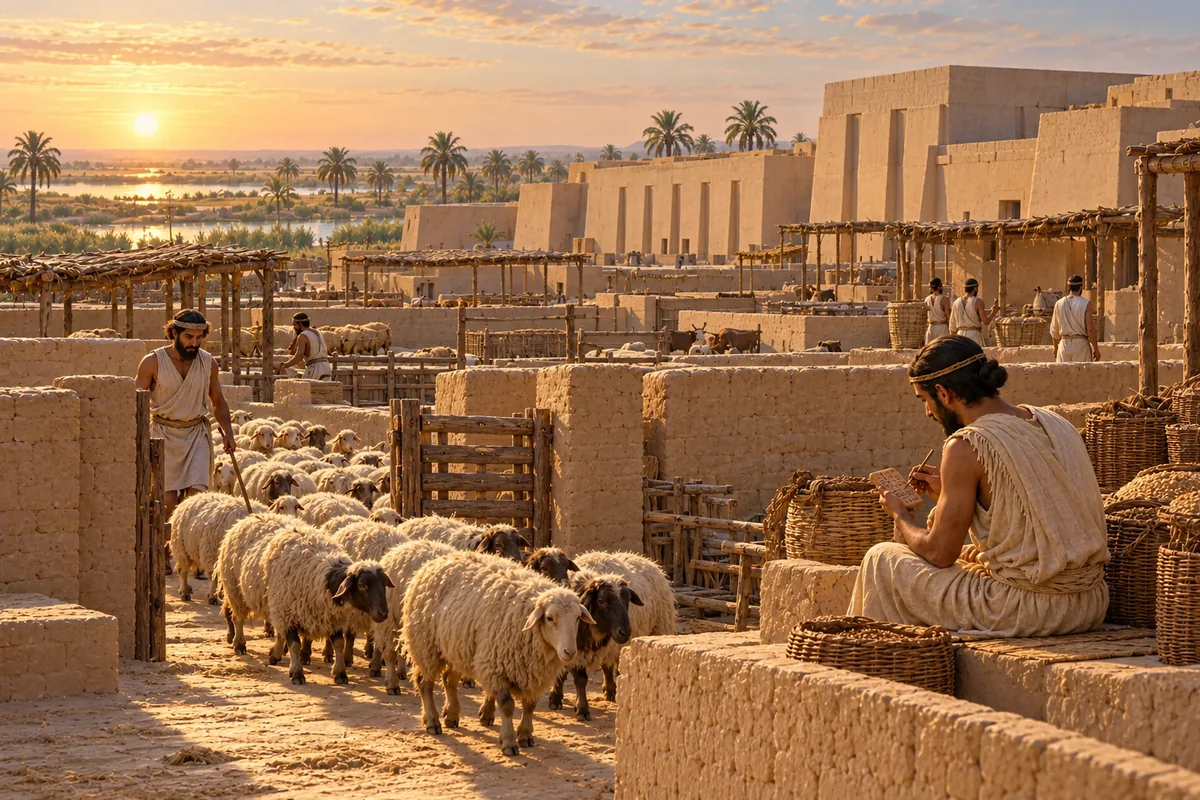
~2100 BCE · Reconstructed composite — see ORACC entry for manuscript witnesses
URU-KA-gina 17add (FAOS 05/1, Ukg 17, B)
“(1) Guards of the city wall: Ebabbar. Iri-kagina, king of Lagaš.”
Source: Electronic Text Corpus of Sumerian Royal Inscriptions (ETCSRI), University of Vienna, edited by Gábor Zólyomi et al. https://oracc.museum.upenn.edu/etcsri/Q001134/
Read the full tablet entry~2100 BCE · Reconstructed composite — see ORACC entry for manuscript witnesses
URU-KA-gina 19add (FAOS 05/1, Ukg 19)
“(1) Guards of the city wall: Nanše. Iri-kagina, king of Lagaš.”
Source: Electronic Text Corpus of Sumerian Royal Inscriptions (ETCSRI), University of Vienna, edited by Gábor Zólyomi et al. https://oracc.museum.upenn.edu/etcsri/Q001135/
Read the full tablet entry~2100 BCE · Reconstructed composite — see ORACC entry for manuscript witnesses
URU-KA-gina 20add (Amherst 003)
“(1) Guards of the city wall: Lugal-metena. the man of Inim-duga. Iri-kagina, king of Lagaš.”
Source: Electronic Text Corpus of Sumerian Royal Inscriptions (ETCSRI), University of Vienna, edited by Gábor Zólyomi et al. https://oracc.museum.upenn.edu/etcsri/Q001136/
Read the full tablet entry~2100 BCE · Reconstructed composite — see ORACC entry for manuscript witnesses
URU-KA-gina 21add (FAOS 05/1, Ukg 21)
“(1) Guards of the city wall: Ur-igi, the captain. Iri-kagina, king of Lagaš.”
Source: Electronic Text Corpus of Sumerian Royal Inscriptions (ETCSRI), University of Vienna, edited by Gábor Zólyomi et al. https://oracc.museum.upenn.edu/etcsri/Q001137/
Read the full tablet entry~2100 BCE · Reconstructed composite — see ORACC entry for manuscript witnesses
URU-KA-gina 22add (FAOS 05/1, Ukg 22)
“(1) Guards of the city wall: Amar-ezen, the captain. Iri-kagina, king of Lagaš.”
Source: Electronic Text Corpus of Sumerian Royal Inscriptions (ETCSRI), University of Vienna, edited by Gábor Zólyomi et al. https://oracc.museum.upenn.edu/etcsri/Q001138/
Read the full tablet entry~2100 BCE · Reconstructed composite — see ORACC entry for manuscript witnesses
URU-KA-gina 23add (FAOS 05/1, Ukg 23)
Names Iri-kagina (Uruinimgina) as king of Lagaš alongside a named wall-guard captain — corroborating the civic-military administration documented in his celebrated reform inscriptions.
“(1) Guards of the city wall: Šul-šeš, the captain. Iri-kagina, king of Lagaš.”
Source: Electronic Text Corpus of Sumerian Royal Inscriptions (ETCSRI), University of Vienna, edited by Gábor Zólyomi et al. https://oracc.museum.upenn.edu/etcsri/Q001139/
Read the full tablet entry~2100 BCE · Reconstructed composite — see ORACC entry for manuscript witnesses
URU-KA-gina 24add (FAOS 05/1, Ukg 24)
“(1) Guards of the city wall: Dundun, the captain. Iri-kagina, king of Lagaš.”
Source: Electronic Text Corpus of Sumerian Royal Inscriptions (ETCSRI), University of Vienna, edited by Gábor Zólyomi et al. https://oracc.museum.upenn.edu/etcsri/Q001140/
Read the full tablet entry~2100 BCE · Reconstructed composite — see ORACC entry for manuscript witnesses
URU-KA-gina 25add (FAOS 05/1, Ukg 25)
Names Iri-kagina (Urukagina) as king of Lagaš alongside a named wall-guard captain, attesting the military-administrative personnel of the city during the reign famous for history's earliest recorded social reforms.
“(1) Guards of the city wall: Zagmu, the captain. Iri-kagina, king of Lagaš.”
Source: Electronic Text Corpus of Sumerian Royal Inscriptions (ETCSRI), University of Vienna, edited by Gábor Zólyomi et al. https://oracc.museum.upenn.edu/etcsri/Q001141/
Read the full tablet entry