Chapter 04 · 2112 – 2004 BCE
Ur III · Neo-Sumerian
A bureaucratic golden age, the Code of Ur-Nammu.
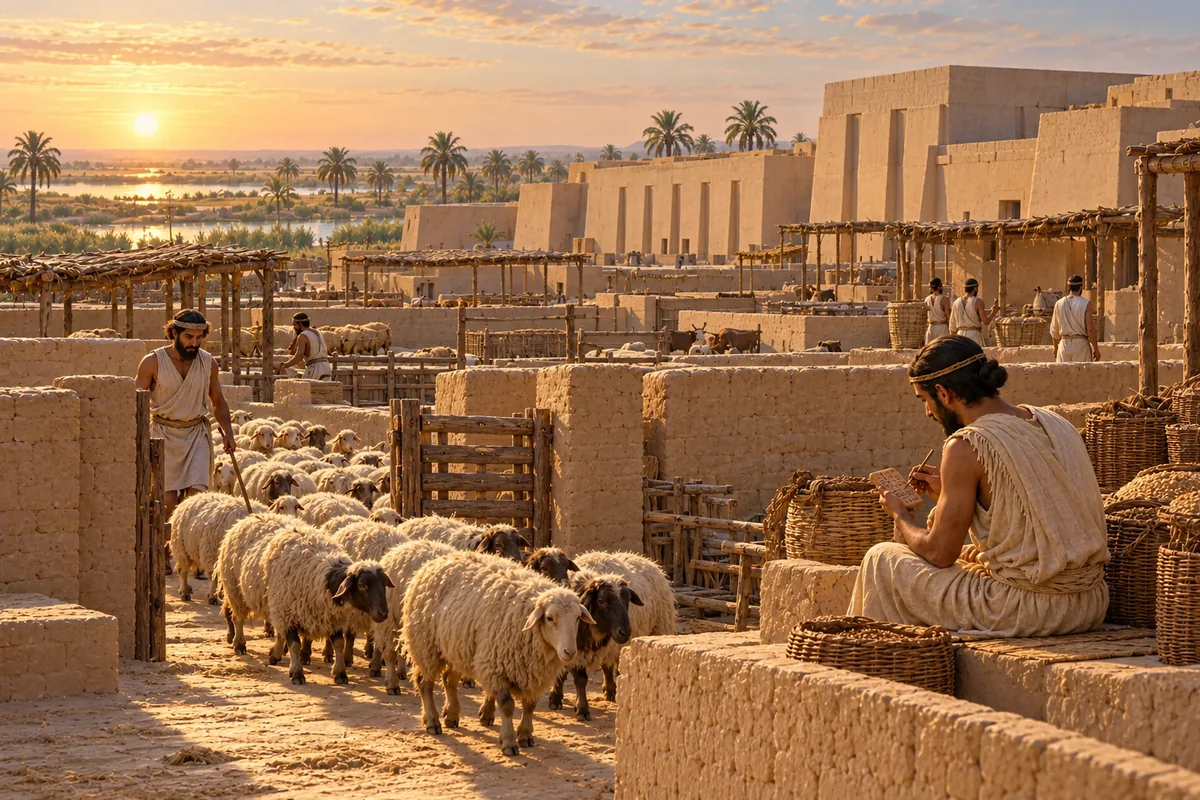
~2100 BCE · Reconstructed composite — see ORACC entry for manuscript witnesses
Unattributed 02 (FAOS 09/2, p. 355 2)
“(1') To ..., ... dedicated this (bowl) .... (2') The name of this bowl is “My master did look at me with favour!”.”
Source: Electronic Text Corpus of Sumerian Royal Inscriptions (ETCSRI), University of Vienna, edited by Gábor Zólyomi et al. https://oracc.museum.upenn.edu/etcsri/Q004874/
Read the full tablet entry~2100 BCE · Reconstructed composite — see ORACC entry for manuscript witnesses
Unattributed 04 (unpublished unassigned ?)
A fragmentary Ur III royal inscription (ETCSRI Q008910) in which a ruler names an object or structure as a prayer-formula addressed to a goddess — attesting the dedicatory naming convention that wove piety directly into monumental or votive language.
“(1') The name of ... is “May it pray to my lady on my behalf!”.”
Source: Electronic Text Corpus of Sumerian Royal Inscriptions (ETCSRI), University of Vienna, edited by Gábor Zólyomi et al. https://oracc.museum.upenn.edu/etcsri/Q008910/
Read the full tablet entry~2100 BCE · Reconstructed composite — see ORACC entry for manuscript witnesses
Unnamed Rulers of Lagaš 4add
“(1') ..., beloved of Šul-šagana, supported by Ig-alima, who submits to the orders of Nindara, whose name was proclaimed by Hendursaĝ, the child born to ..., ....”
Source: Electronic Text Corpus of Sumerian Royal Inscriptions (ETCSRI), University of Vienna, edited by Gábor Zólyomi et al. https://oracc.museum.upenn.edu/etcsri/Q004868/
Read the full tablet entry~2100 BCE · Reconstructed composite — see ORACC entry for manuscript witnesses
Ur-dukuga 2
“(1) Urdu-kuga, the shepherd, who provides Nibru with everything, the great farmer of An and Enlil, the provider of the E-kur, ....”
Source: Electronic Text Corpus of Sumerian Royal Inscriptions (ETCSRI), University of Vienna, edited by Gábor Zólyomi et al. https://oracc.museum.upenn.edu/etcsri/Q001997/
Read the full tablet entry~2100 BCE · Reconstructed composite — see ORACC entry for manuscript witnesses
Ur-dukuga 3
“(1) For Lulal of Du-eden, his master, Urdu-kuga, the shepherd, who provides Nibru with everything, ..., the spouse looked upon favourably by Inana, built his beloved temple.”
Source: Electronic Text Corpus of Sumerian Royal Inscriptions (ETCSRI), University of Vienna, edited by Gábor Zólyomi et al. https://oracc.museum.upenn.edu/etcsri/Q001998/
Read the full tablet entry~2100 BCE · Reconstructed composite — see ORACC entry for manuscript witnesses
Ur-Enlil 1
Dedicates a votive bowl to Ninlil for the well-being of Ur-Enlil, ruler of Nippur — attesting a local ruler otherwise poorly documented in the Ur III administrative record.
“(1) To Ninlil, Aba-Enlil, child of Lugal-niĝbarag-dug, the merchant, ... (this bowl) for the well-being of Ur-Enlil, ruler of Nibru, (and) for the well-being of his spouse and child.”
Source: Electronic Text Corpus of Sumerian Royal Inscriptions (ETCSRI), University of Vienna, edited by Gábor Zólyomi et al. https://oracc.museum.upenn.edu/etcsri/Q001257/
Read the full tablet entry~2100 BCE · Reconstructed composite — see ORACC entry for manuscript witnesses
Ur-Enlil 2
Dedicates a votive offering to Enlil at Nippur, attesting the ritual obligations by which Ur III rulers legitimised their authority through the great state sanctuary.
“(1) To Enlil, Ur-Enlil, ruler of Nibru, ... as votive offering ....”
Source: Electronic Text Corpus of Sumerian Royal Inscriptions (ETCSRI), University of Vienna, edited by Gábor Zólyomi et al. https://oracc.museum.upenn.edu/etcsri/Q001258/
Read the full tablet entry~2100 BCE · Reconstructed composite — see ORACC entry for manuscript witnesses
Ur-ešlila 1
“(1) To Ninšubur, Ur-akkila, the barber, dedicated this (stone tablet) for his own well-being. (5) His spouse is Gan-Utu. (7) His children are Gan-šubur, Me-kikugta, Ursaĝ-Utu, Inim-Utu-zid, ..., ..., ..., Nin-izuzu.”
Source: Electronic Text Corpus of Sumerian Royal Inscriptions (ETCSRI), University of Vienna, edited by Gábor Zólyomi et al. https://oracc.museum.upenn.edu/etcsri/Q004247/
Read the full tablet entry