Chapter 04 · 2112 – 2004 BCE
Ur III · Neo-Sumerian
A bureaucratic golden age, the Code of Ur-Nammu.
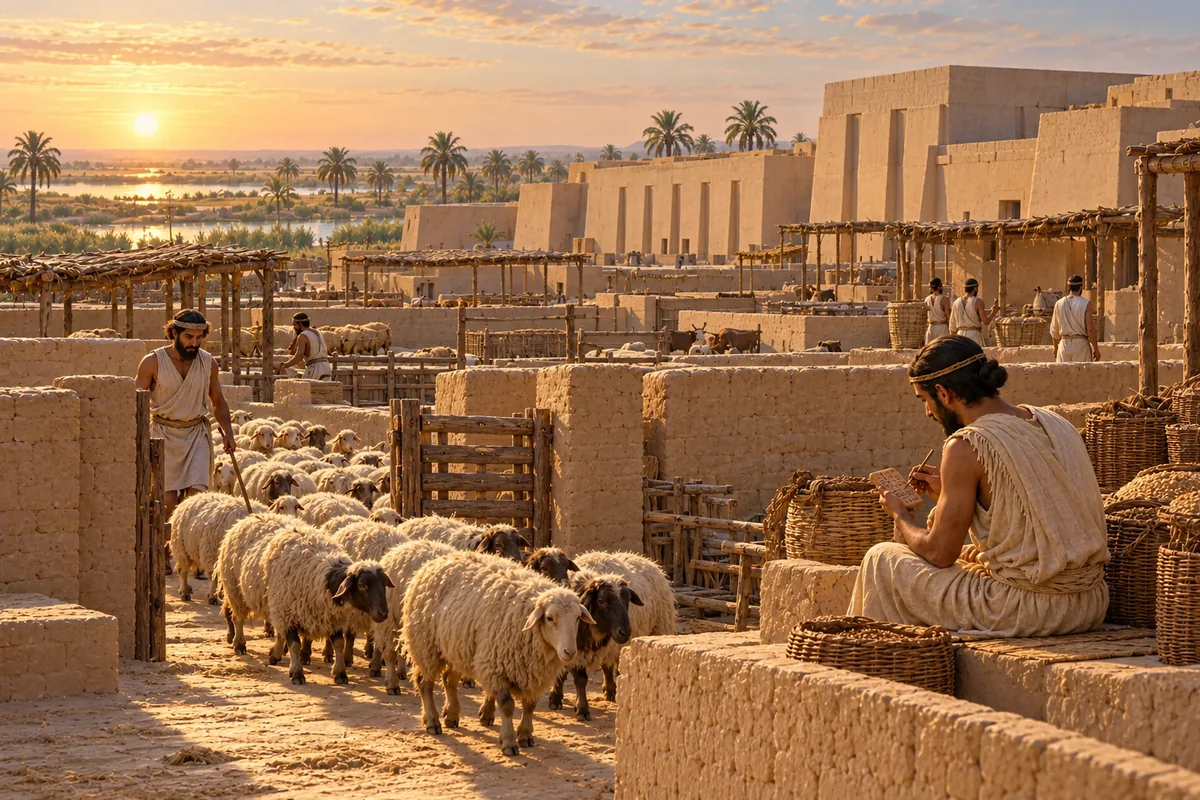
~2100 BCE · Reconstructed composite — see ORACC entry for manuscript witnesses
Ur-gigira 2001
“(1') To ..., Lugal-ana-tum, išib priest of An, dedicated this (mace) for the well-being of Ur-gigira, the powerful man, king of Unug.”
Source: Electronic Text Corpus of Sumerian Royal Inscriptions (ETCSRI), University of Vienna, edited by Gábor Zólyomi et al. https://oracc.museum.upenn.edu/etcsri/Q001450/
Read the full tablet entry~2100 BCE · Reconstructed composite — see ORACC entry for manuscript witnesses
Ur-LUM-ma 1
“(1) For Enkigal, Ur-Luma, king of Umma, child of En-akale, king of Umma, built his temple.”
Source: Electronic Text Corpus of Sumerian Royal Inscriptions (ETCSRI), University of Vienna, edited by Gábor Zólyomi et al. https://oracc.museum.upenn.edu/etcsri/Q001323/
Read the full tablet entry~2100 BCE · Reconstructed composite — see ORACC entry for manuscript witnesses
Ur-LUM-ma 2
“(1) For Nagarpae, Ur-Luma, king of Umma, child of En-akale, king of Umma, built his temple.”
Source: Electronic Text Corpus of Sumerian Royal Inscriptions (ETCSRI), University of Vienna, edited by Gábor Zólyomi et al. https://oracc.museum.upenn.edu/etcsri/Q003656/
Read the full tablet entry~2100 BCE · Reconstructed composite — see ORACC entry for manuscript witnesses
Ur-mama 1
“(1) To Ninmarki, the kind woman, ..., this (bowl) for the well-being of Ur-Mama, ruler of Lagaš.”
Source: Electronic Text Corpus of Sumerian Royal Inscriptions (ETCSRI), University of Vienna, edited by Gábor Zólyomi et al. https://oracc.museum.upenn.edu/etcsri/Q001577/
Read the full tablet entry~2100 BCE · Reconstructed composite — see ORACC entry for manuscript witnesses
Ur-nigina 1
Attests a Ur III military governor's temple-building at Patibira for the goddess Ninšešeĝara — localising otherwise poorly documented Sumerian religious patronage below the royal tier.
“(1) Ur-gigira, military governor of Dumuzid, child of Ur-niĝin, the powerful man, king of Unug, and Ama-lagar, his mother, built for Ninšešeĝara, his lady, the E-šešeĝara, her beloved temple, in Patibira.”
Source: Electronic Text Corpus of Sumerian Royal Inscriptions (ETCSRI), University of Vienna, edited by Gábor Zólyomi et al. https://oracc.museum.upenn.edu/etcsri/Q001449/
Read the full tablet entry~2100 BCE · Reconstructed composite — see ORACC entry for manuscript witnesses
Ur-Ninmarki 1 (FAOS 09/2, Ninmarki 1)
“(1) To Bau, his lady, Geme-ĝirnuna, the spouse of Amarsu, the child of Alla, dedicated this (object) for the well-being of Ur-Ninmarki, governor of Lagaš, and for her own well-being.”
Source: Electronic Text Corpus of Sumerian Royal Inscriptions (ETCSRI), University of Vienna, edited by Gábor Zólyomi et al. https://oracc.museum.upenn.edu/etcsri/Q004878/
Read the full tablet entry~2100 BCE · Reconstructed composite — see ORACC entry for manuscript witnesses
Ur-Ninmarki 2 (FAOS 09/2, Ninmarki 2)
Votive dedication of a mace by the governor of Lagaš to Šul-šagana, child of the city-god Ninĝirsu — attesting the personal piety and divine patronage networks through which Ur III provincial rulers legitimised their authority.
“(1) To Šul-šagana, the beloved child of Ninĝirsu, his master, Ur-Ninmarki, governor of Lagaš, dedicated this (mace) for her well-being.”
Source: Electronic Text Corpus of Sumerian Royal Inscriptions (ETCSRI), University of Vienna, edited by Gábor Zólyomi et al. https://oracc.museum.upenn.edu/etcsri/Q004879/
Read the full tablet entry~2100 BCE · Reconstructed composite — see ORACC entry for manuscript witnesses
Ur-Ninsumuna 1 (FAOS 09/2, Urninsun 1)
“(1) To Ninĝirsu, the powerful warrior of Enlil, his master, Ur-Ninsumuna, governor of Lagaš, dedicated this (bowl) for his well-being. (10) The name of this bowl is “May my master prolong my life!”.”
Source: Electronic Text Corpus of Sumerian Royal Inscriptions (ETCSRI), University of Vienna, edited by Gábor Zólyomi et al. https://oracc.museum.upenn.edu/etcsri/Q004880/
Read the full tablet entry